Are all of your kitchen appliances BPA-free? Take a look at your coffee maker, food processor and juicer.
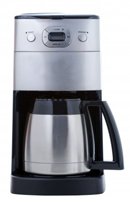
When we think about using safe plastics in our kitchens, we usually think first about food containers – and not about our appliances.
However, when it comes to exposure to toxic chemicals, your small kitchen appliances can make a contribution.
Many appliances include polycarbonate plastic, simply because it is strong and almost shatter-proof. But polycarbonate plastics contain BPA.
The use of polycarbonate plastic in the body or other structural elements of a food processor or coffee maker isn’t a big deal. But when food or liquids – particularly hot food or liquids – come into contact with that plastic, it’s a different story.
Take a look at your food processor’s work bowl. It’s probably made from transparent plastic. But what kind of plastic? Unfortunately, most of these bowls will not include a recycling number. But it could well be made from polycarbonate plastic.
The same goes for juicers, which can include a variety of plastic parts, many of which come into direct contact with the fruits and vegetables you are working with.
And how about the water tank for that coffee maker or espresso machine? And consider the plastic parts of your drip brewer which come into contact with the water during the brew cycle.
Some appliances also include PVC. For example, some single serve coffee makers and espresso machines may include PVC tubes to carry the water from the tank to the brew head. If PVC is being used, then there is potential exposure to phthalates.
Finding alternative kitchen appliances, with no plastic parts can be a struggle. But there usually are some options, if you look hard enough. Look for steel, glass or plastics which are marked as BPA-free.
It’s also worth asking the manufactures of your appliances about BPA and phthalates. They more they understand that their customers are concerned about BPA and phthalates, the sooner they will change the plastics they use.
Further reading...
BPA-free food processors and blenders...


New! Comments
Have your say about what you just read! Leave me a comment in the box below.